Description
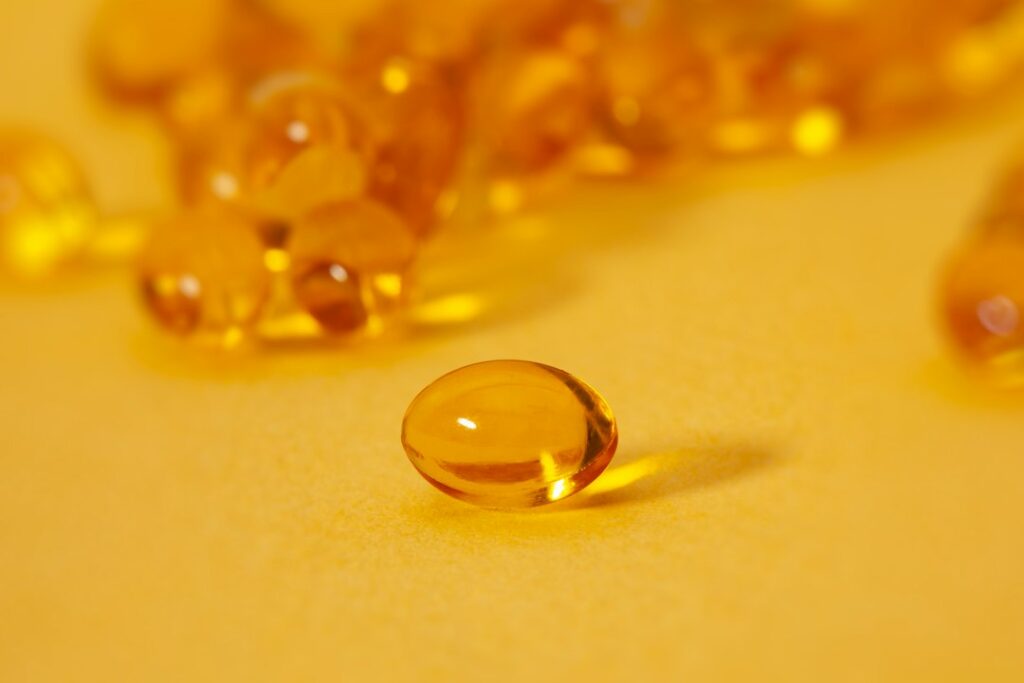
Liposomal products wrap vitamin C in tiny fat-based spheres, and Natural Factors applies that idea to a buffered vitamin C sealed inside liquid softgels. This 90-count bottle is the smaller of the two sizes and a reasonable way to test the format before committing to a large supply.
What the label says
According to the brand:
- The buffered vitamin C is enclosed in a liposome, which the brand says protects it during digestion.
- It is described as a source of antioxidants that supports immune function.
- Vitamin C is listed as helping collagen formation for bones, cartilage, teeth and gums.
- Adult dose: 2 softgels once daily.
- Non-GMO and gluten free, formulated and packaged in B.C., with the ISURA verified-clean seal.
- Natural Product Number (NPN) 80115555.
Who it may suit
Adults who want a once-a-day routine and who find regular ascorbic acid tablets harsh may like a buffered liposomal softgel. Because one serving is two softgels, it also suits people who prefer a softgel over a large pressed tablet.
How it compares
Per serving you get 1,000 mg, which is the same amount many standard capsules deliver in one piece; the difference is the liposomal format and buffering. The NPN on the listing confirms Health Canada authorization. At 45 servings per bottle, the 180-softgel size usually works out cheaper per serving, so compare both on Amazon.ca before buying.
Liposomal supplements are a newer category, and published research comparing them with ordinary vitamin C in everyday use is still limited. A sensible approach is to judge them on tolerance and convenience, and to compare the dose per serving with what you would get from a standard tablet before paying extra for the format.
Tips for taking vitamin C
If plain vitamin C upsets your stomach, take it with a meal. Splitting a larger amount into a morning and an evening dose is a common way to make it easier to tolerate. Keep your total from all sources under 2,000 mg a day for adults, the tolerable upper intake level set out by Health Canada and the U.S. National Institutes of Health. People with a history of kidney stones should be cautious with high-dose vitamin C, and a pharmacist can check it against any medication you take.
General information, not medical advice. As an Amazon Associate, VitaminC.one earns from qualifying purchases.